Cards category · quick round

Coin Toss Coin Toss Demo: Tables game Guide

Coin Toss is a simple coin-choice game concept: review the displayed side options and rules, make a selection if you choose to participate, then compare the resolved round with the information shown on screen. Its short decision loop is easy to follow, but a quick format does not remove chance or financial risk.

This guide explains what to inspect before a round, how to think about RTP information and when a Coin Toss Demo can help you learn the controls without implying a prediction.

Coin Toss cards game icon Coin Toss
More cards choices

Explore these related titles for a different pace or interface. Each promotion card follows the site’s game-entry behavior; only Cards Hi Lo has its own linked overview here.

Artwork and interface cues

What the Coin Toss artwork can—and cannot—show

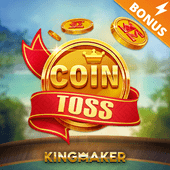
The available local image identifies the Coin Toss title; it does not document a live round or confirm exact game rules. Use the image as a visual label, then rely on the active title’s own help and paytable for selection options, stake limits and result interpretation.

Coin Toss game artwork for the cards category
Title artwork only. Interface details, outcome presentation and any current rules should be checked in the game itself.
ChoiceIdentify the available side or outcome options.
ConfirmReview the round amount before submitting.
ResolveWait for the result shown by the game.
ReviewCompare the result with the displayed rules.

Do not infer payout values, fairness certificates, special features or animation behavior from an icon. If information is unclear, pause rather than guessing. The most useful screenshot or in-game view for a new visitor is the rules panel, because it can clarify what the available choices mean.

Player perspective

What players should weigh before a Coin Toss round

A useful review is less about claiming a game is “easy money” and more about evaluating whether its pace, instructions and controls are clear. Coin Toss may appeal to someone who prefers a brief, direct choice; anyone wanting a longer tactical challenge may prefer a different format.

Clarity matters more than speed

Before acting, confirm which choices are available, how the round is settled and what the screen means by a win or loss. A clean interaction can make the process understandable, but it cannot change the uncertainty of an outcome.

Use a Coin Toss Demo to learn controls

If a no-stake or practice option is offered, use it to see how selections and results are displayed. A demo is a familiarization tool, not proof that a sequence will repeat or an indicator that a paid result is due.

Keep the session within a boundary

Set a spending limit and a short time window before opening the game. Stop at either limit and do not increase a stake to recover earlier losses. Casino-style play should remain optional entertainment rather than a financial plan.

For another concise cards title with a different decision pattern, review the Ali Baba game overview and compare its own rules rather than assuming the games work alike.

Reading the numbers

How Coin Toss RTP information should be understood

RTP is a theoretical return measure over a large number of plays, when a game publishes one; it is not the expected result of a single Coin Toss round and does not promise a personal payout.

Published RTPCheck the actual game information; no figure is asserted by this guide.
Short sampleA few rounds cannot verify a long-run percentage.
VarianceIndividual outcomes can differ substantially from a theoretical average.
JackpotDo not assume a jackpot exists unless current rules explicitly describe one.

Compare the terms, not marketing shorthand

When a return value is provided, note its source, the game version and any conditions that apply. A theoretical percentage cannot tell you whether the next flip will match your choice. Likewise, promotional language or a recent streak is not statistical evidence of a future result.

Tables game com visitors should check published rules and local terms directly, and avoid staking money based on an assumed edge. If a value is absent or unclear, treat it as unknown instead of inventing a rate.

A concise decision recap

The Coin Toss points worth remembering

Coin Toss is best approached as a short chance-based activity: learn the controls first, check the rules, decide a fixed limit and accept that each outcome remains uncertain.

Read the title rules

Confirm choice definitions, stake boundaries, settlement and any published return information.

Try practice if available

A Coin Toss Demo can show navigation and result feedback, but not predict real outcomes.

Make a deliberate choice

Review the selected option and amount before confirming; pause if either is unclear.

Stop at your personal limit

Do not chase losses, borrow to play or use money reserved for essential needs.

The Tables game features guide provides broader platform context. Use official information, protect your account credentials and participate only where lawful and age-appropriate.

Choose with care

Ready to look at Coin Toss?

Check the current rules and available mode before entering. A Coin Toss Demo, if offered, is for learning the interface; any real-money participation carries risk and should stay within a limit you can afford to lose.